Start with where the patch will be used
Before you think about materials, think about where the patch is going. A patch on a cap that gets worn at weekends has different needs from one on a work jacket that's washed every week, or a tactical pouch that lives outdoors in the rain. Four questions narrow things down quickly:
- Will it be washed often, or exposed to water and mud?
- How small is the smallest text or detail in your design?
- Do you want it to look classic and textured, sleek and modern, or premium and understated?
- Does it need to be swapped between different items?
The four types, in plain terms
Embroidered patches
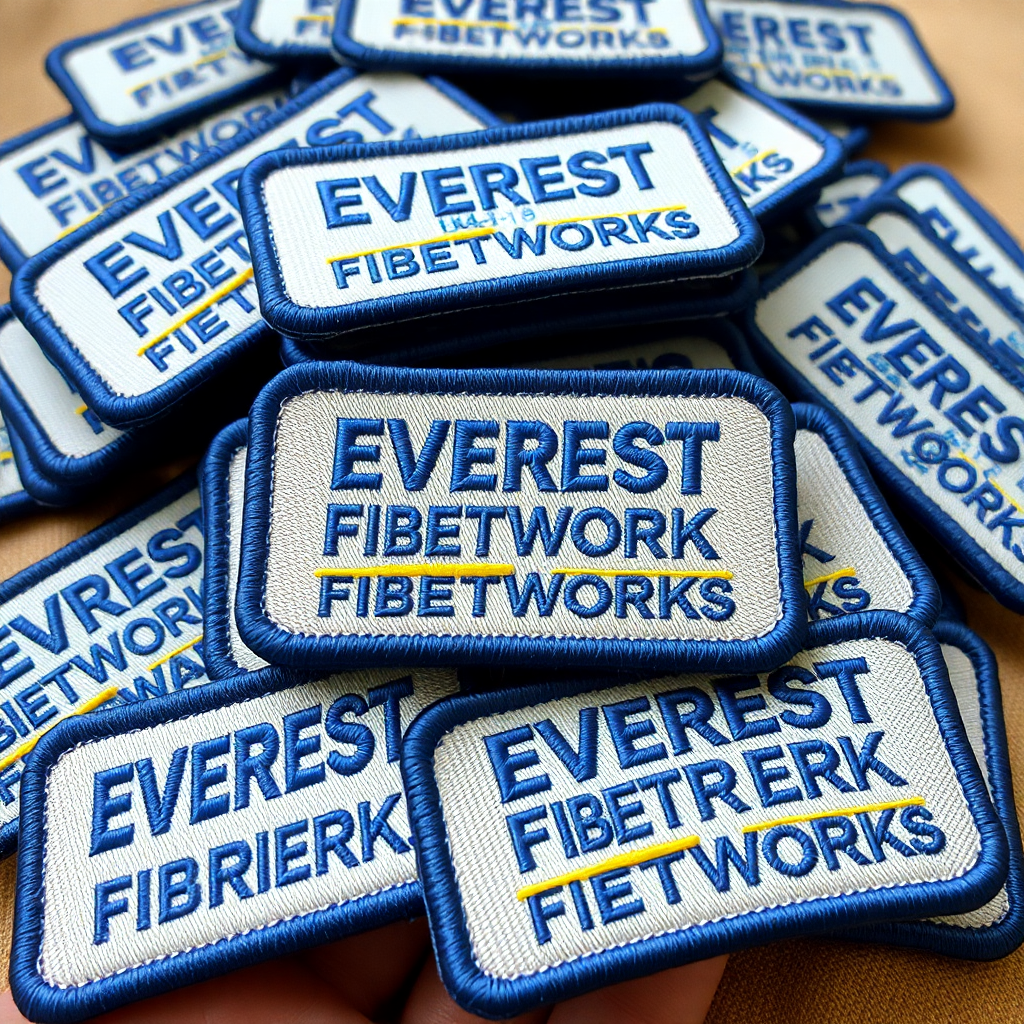
This is the classic. The design is stitched in thread onto a twill or felt base, usually finished with a rolled merrow border. Embroidered patches are durable, textured and instantly recognizable, which is why they're the standard for uniforms, teams and clubs. Thread does have a resolution limit, so very fine text and smooth gradients don't translate well. Our embroidery patches page covers bases, borders and thread options.
PVC patches
PVC patches are molded from soft rubber instead of being stitched. They're waterproof, they don't fray, and they can hold finer detail and smaller text than thread can. You can have them flat (2D) or raised (3D), and Velcro backing is very common. That combination makes them a natural fit for outdoor, tactical and workwear brands. More on the PVC patches page.
Leather patches
The design is debossed, embossed or laser-engraved into genuine or faux leather. The look is tone-on-tone and understated, and it feels premium in the hand, so leather patches are popular on caps, bags and jackets for craft and lifestyle brands. They work best with simple, bold marks rather than intricate artwork. Details are on the leather patches page.
3D puff patches
These are standard embroidery with a layer of foam underneath, which lifts the design roughly 3 to 6 mm off the surface. The result is bold and dimensional, and it's a favorite for cap fronts and varsity jackets. Puff needs chunky letters and simple shapes to look right. See the 3D puff patches page for design rules.
Side-by-side comparison
| Embroidered | PVC | Leather | 3D puff | |
|---|---|---|---|---|
| Look and feel | Textured, classic | Smooth, glossy rubber | Tone-on-tone, premium | Raised, dimensional |
| Fine detail | Moderate | High | Low | Low |
| Water resistance | Fabric base, not waterproof | Waterproof | Varies by material | Fabric base, not waterproof |
| Best for | Uniforms, teams, brand logos | Outdoor and tactical gear, detailed art | Caps, bags, jackets | Cap fronts, streetwear, varsity |
| Design rule | Bold shapes, clear lines | Fine detail is fine, we flag limits at mockup | Simple, bold marks | Letters ideally 3/8″ or thicker |
Match the patch to your artwork
Your artwork often points to the answer on its own:
- A logo with a few colors and moderate detail works well in embroidery.
- Small text, gradients or lots of colors usually look better in PVC.
- A one-color wordmark or a simple emblem suits leather.
- Big block letters or a mascot silhouette are made for puff.
If your artwork isn't ready for any of these, we can clean it up or rebuild it as vector first. It's often the quickest route to a patch that looks the way you pictured it. If that sounds familiar, our guide to raster and vector files explains why.
Borders and backing
Two smaller choices change how a patch wears more than people expect.
On embroidered patches, a merrow border gives the rolled, stitched edge you see on classic team patches. A heat-cut border suits tighter shapes and finer detail. For backing, sew-on is the most permanent and the best choice for anything washed often. Iron-on is quicker to apply but works best on flat, heat-safe fabric. Velcro hook and loop is what you want when patches need to be swapped, which is why it's so common on tactical gear.
What affects price and turnaround
We don't list fixed patch prices because no two orders are alike. The cost depends on four things: size and shape, patch type, the number of colors and how much of the patch is covered, and quantity. The cost per patch drops noticeably as the order gets bigger, and we can handle small runs as well as bulk orders.
Most orders are produced and shipped within 8 to 12 business days, with rush options if you have a deadline. If you'd like a starting point, the patch size calculator works out an estimated size and sends your request to us in one go.
Still not sure which one to pick?
That's completely normal. Send your artwork, tell us where the patch will be used and roughly how many you need, and we'll suggest the type, border and backing that fit. The quote is free, and you'll get a digital mockup to approve before anything goes into production.
Not sure which patch fits your design?
Send your artwork and tell us where the patch will be used. We'll suggest a type, border and backing, and quote it for free.
Get a Free Quote →